Wie man Kondensation in einem modularen Containerbüro verhindert
Dachisolierung, Wandpaneele, Feuchtigkeitsregulierung, Belüftungs- und Entwässerungsdetails
Kondensation ist eine der häufigsten Bedenken ausländischer Käufer vor der Bestellung eines modularen Containerbüros. Diese Sorge ist verständlich: Stahl leitet Wärme schnell, und wenn warme, feuchte Luft auf eine kalte Oberfläche trifft, können sich Wassertropfen an Decken, Wänden, Fenstern oder versteckten Fugen bilden.
Kondensation ist jedoch nicht nur ein „Containerproblem“, sondern in der Regel ein Problem der Gebäudehülle. Ein modulares Containerbüro benötigt daher die richtige Isolierung, Feuchtigkeitsregulierung, Belüftung und Entwässerung. Werden diese Details korrekt umgesetzt, kann das Büro als sauberer und komfortabler Arbeitsplatz und nicht als feuchte, provisorische Box genutzt werden.
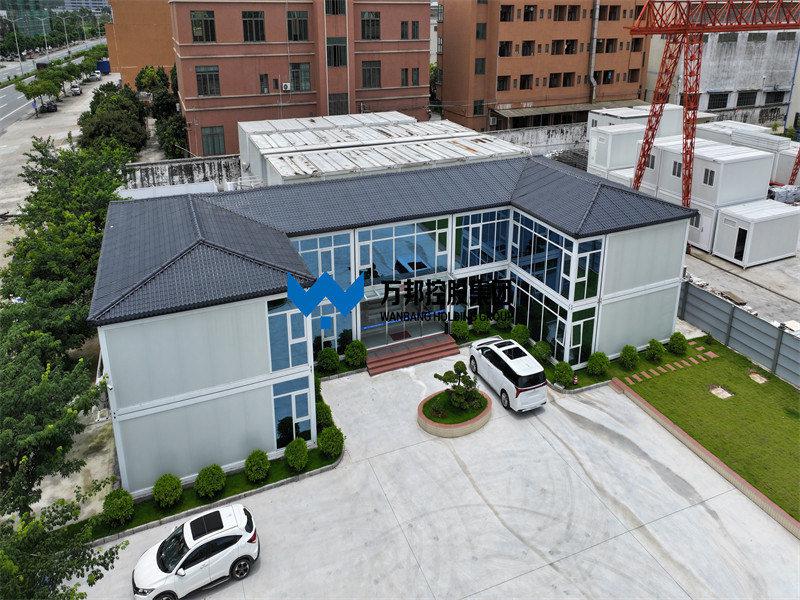
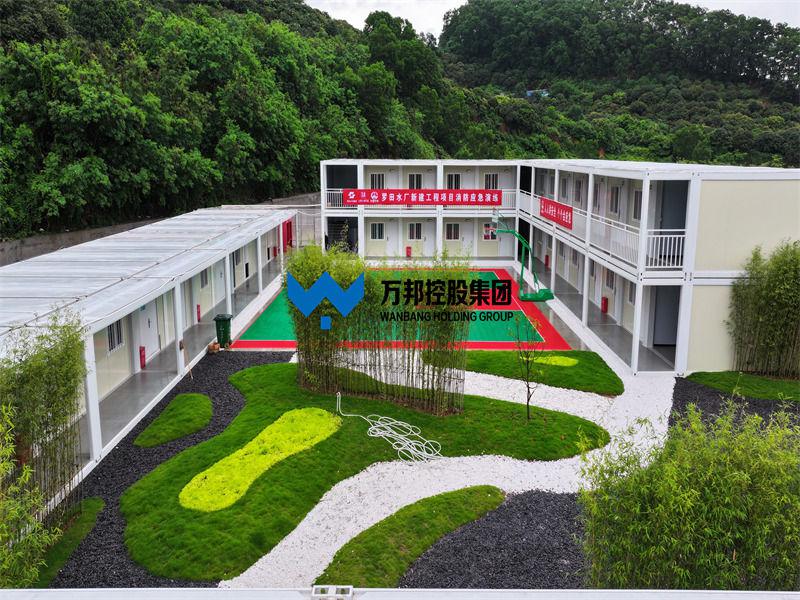
Das modulare Containerbürosystem von Guangdong Wanbang nutzt Dachisolierung, Wandsandwichpaneele, Entwässerungsdetails und Innenausbau, um das Feuchtigkeitsrisiko bei der täglichen Büronutzung zu reduzieren.
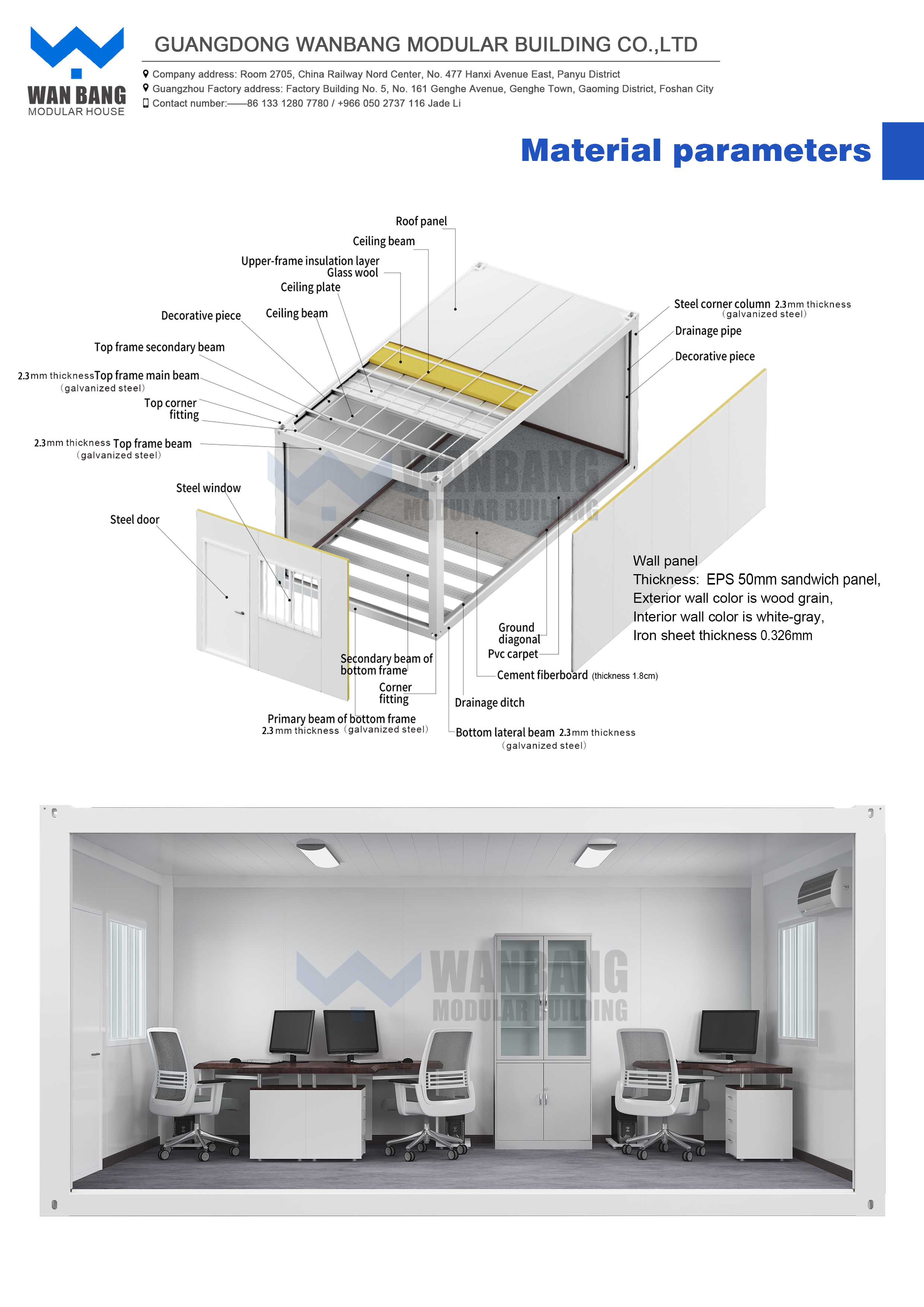
Materialparameter für modulare Containerbüros, einschließlich Dachisolierung, Glaswolle, Abflussrohr und Wandpaneel.
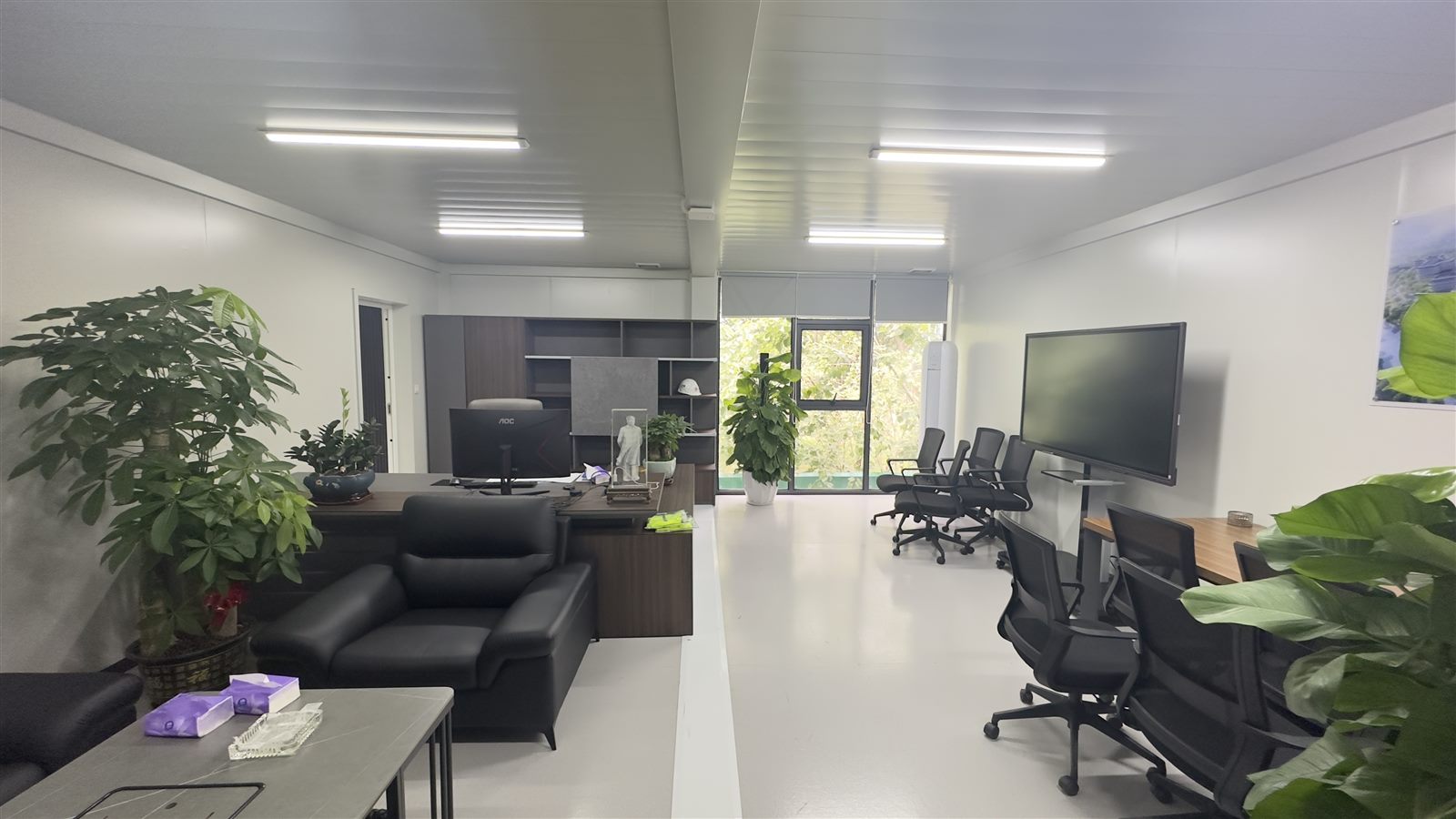
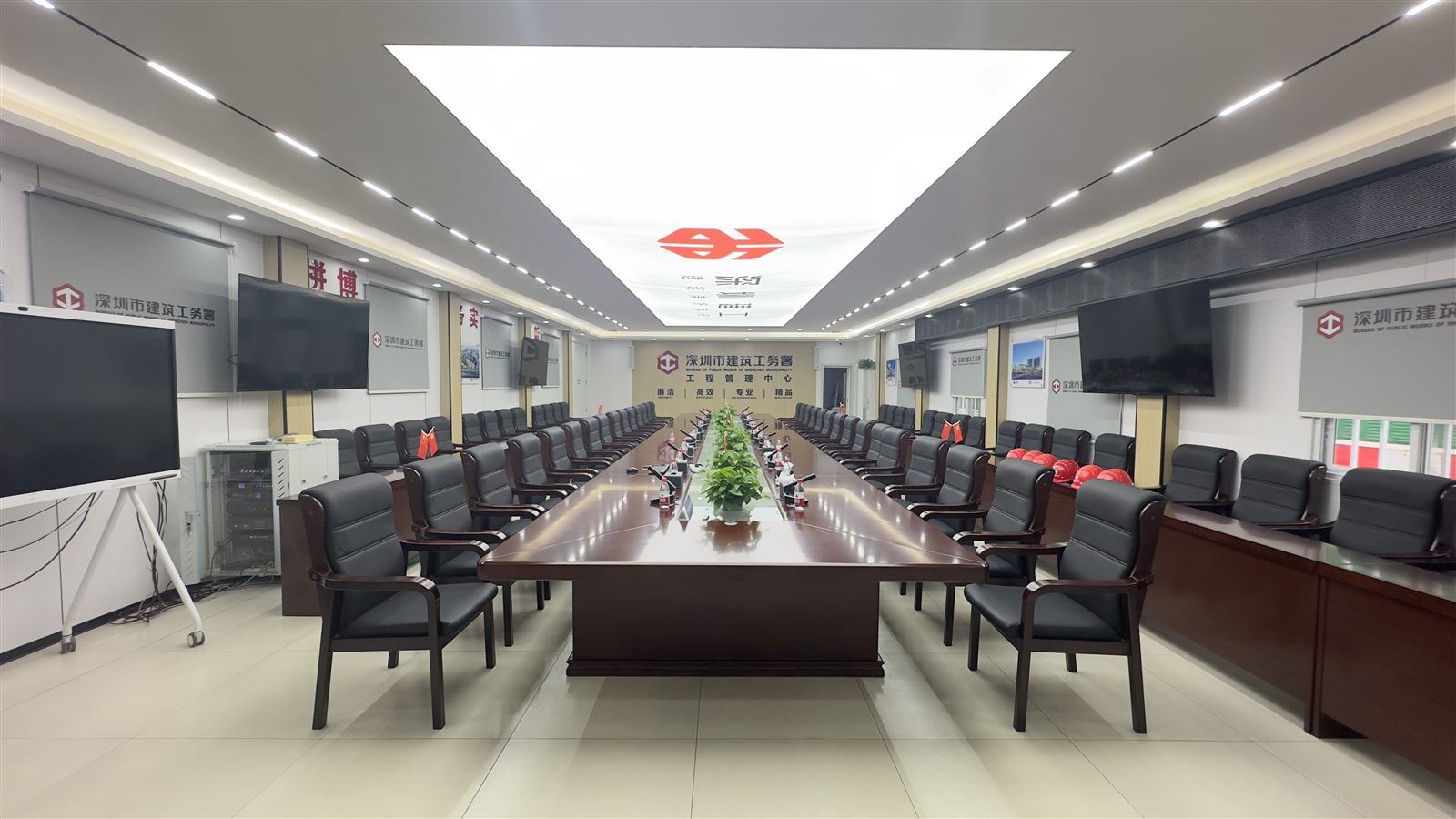
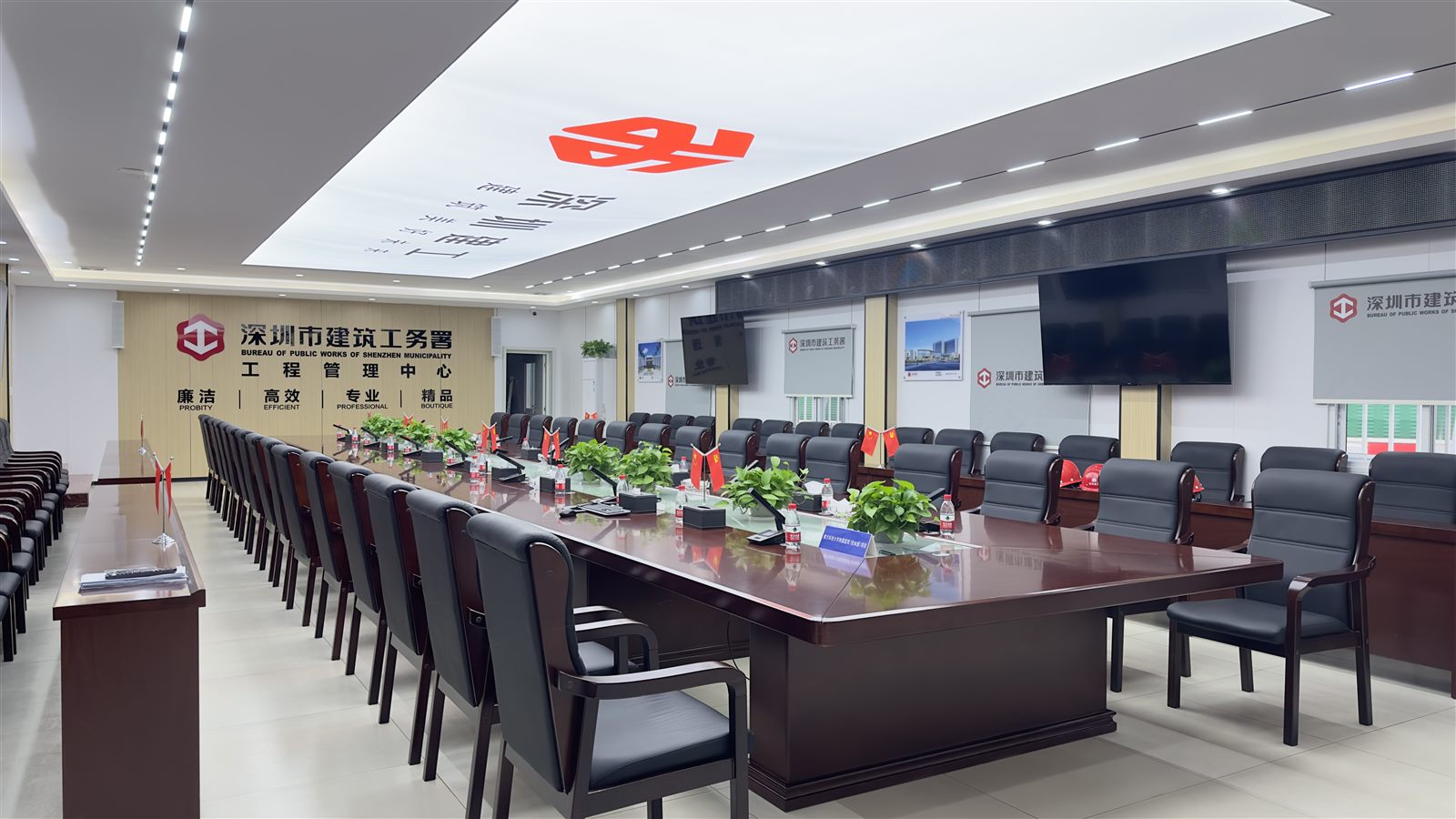
Fertiggestellter Büro-Managementraum aus einem modularen Container mit Fenstern und Büromöbeln.
Kondensation tritt üblicherweise auf, wenn drei Bedingungen erfüllt sind:
Dies kann in kalten Klimazonen im Winter, in feuchten Küstenregionen, während der Regenzeit, in Bergregionen oder in Büros mit schlechter Luftzirkulation vorkommen. Es kann auch auftreten, wenn die Temperaturunterschiede zwischen Innen- und Außenbereich groß sind.
Das Dach ist einer der wichtigsten Bereiche zur Kondensationskontrolle. Laut Wanbangs Materialspezifikation kann die Dachdämmung aus 50 mm Glaswolle mit Feuchtigkeitssperre bestehen, deren Dichte im Projektmaterialplan aufgeführt ist.
In der Praxis sollte das Dach nicht nur als Stahlblech betrachtet werden. Die Dämmschicht trägt dazu bei, den Temperaturunterschied zwischen Raumluft und Dachoberfläche zu verringern. Die Feuchtigkeitssperre verringert das Risiko, dass Wasserdampf in die Dämmschicht eindringt und versteckte Feuchtigkeitsprobleme verursacht.
Käufer in kalten oder feuchten Märkten sollten den Lieferanten um Bestätigung bitten:
Kondenswasser kann auch an Wänden auftreten, wenn die Wandpaneele schlecht isoliert sind oder die Fugen mangelhaft verarbeitet wurden. Wanbang bietet je nach Projektanforderung verschiedene Materialoptionen an, darunter isolierte Wandpaneelsysteme wie Steinwolle-, EPS- oder PU-Sandwichpaneele.
Steinwolle eignet sich gut für Bürogebäude, da sie nicht brennbar ist und sowohl Wärmedämmung als auch Schallabsorption bietet. PU-Paneele können gewählt werden, wenn eine stärkere Wärmedämmung erforderlich ist. EPS-Paneele werden häufig für kostengünstige Standardprojekte eingesetzt.
Bei einem modularen Büroprojekt sollte der Käufer nicht nur fragen: „Was kostet die Wandverkleidung?“ Eine bessere Frage wäre: „Welches Wand- und Dachsystem reduziert die Kondensation in meinem lokalen Klima?“
Selbst bei vorhandener Isolierung kann es bei zu hoher Luftfeuchtigkeit in Innenräumen zu Kondensation kommen. In Büros mit vielen Personen, geschlossenen Fenstern, feuchter Kleidung, mangelhafter Belüftung oder fehlendem Frischluftaustausch kann sich Feuchtigkeit ansammeln.
Ein gutes modulares Containerbüro sollte Folgendes berücksichtigen:
Für Büroräume reicht oft ein einfaches Belüftungssystem aus. In Studentenwohnheimen, Küchen, Badezimmern oder Waschküchen ist eine gute Belüftung wichtiger.
Kondensation ist nicht das einzige Wasserproblem, das Käufer beunruhigt. Auch Regenwasser und Dachentwässerung spielen eine Rolle, da Leckagen und Kondensation von Nutzern oft verwechselt werden.
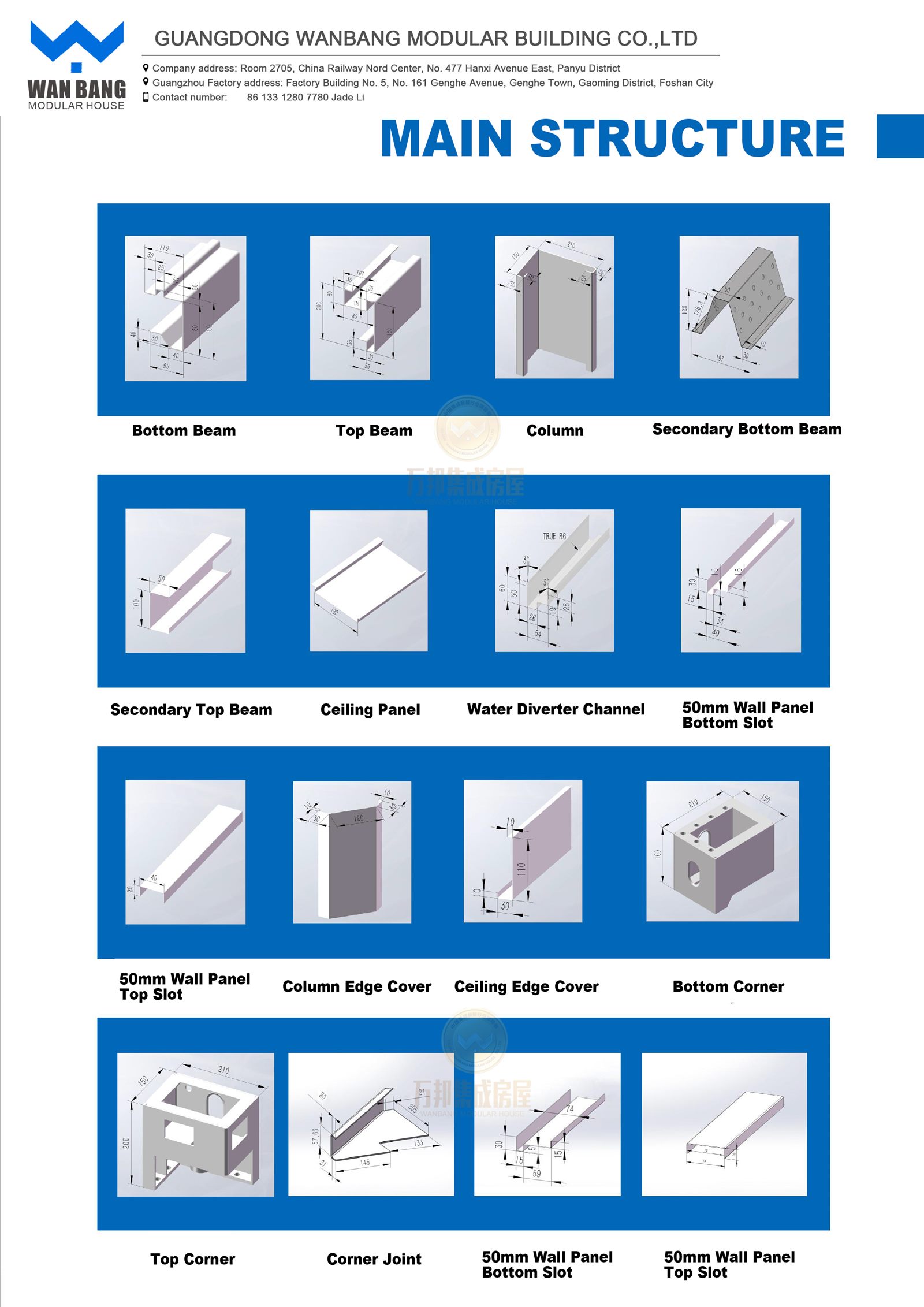
Hauptstruktur des Containerbüros mit Wasserableitungskanal und Wandpaneelschlitzen.
Die Abbildung der Hauptstruktur von Wanbang zeigt technische Details wie den Wasserableitungskanal, die Deckenpaneele und die 50 mm breiten Schlitze in den Wandpaneelen. Diese Details sind wichtig, da das Wasser vom Gebäude weggeleitet werden und sich nicht an den Fugen stauen soll.
Bei Projekten im Ausland sollten Käufer vor dem Versand die Dachneigung, die Position der Abflussrohre, die Wandfugen, die Fensterabdichtung und die Details der Modulverbindungen überprüfen.
Um Kondensation in einem modularen Containerbüro zu vermeiden, sollten Käufer den Fokus auf das gesamte Gebäudehüllensystem richten: Dachisolierung, Wand-Sandwichpaneele, Feuchtigkeitskontrolle, Belüftungs- und Entwässerungsdetails.
Guangdong Wanbang unterstützt Käufer bei der Planung modularer Bürogebäude mit passenden Dämm- und Ausstattungsoptionen für unterschiedliche Klimazonen. Wenn Liefereffizienz und Projektabwicklungsgeschwindigkeit wichtig sind, können Käufer auch vergleichen. Lösungen für flach verpackte Containerhäuser Für den Büro- und Campgebrauch.
Sie planen ein modulares Büro- oder Campgebäude und möchten Feuchtigkeitsprobleme vermeiden? Kontaktieren Sie uns Teilen Sie uns Ihre lokalen Klimabedingungen und Projektdetails mit, und unser Team hilft Ihnen bei der Auswahl der passenden Dämm- und Entwässerungskonfiguration für Ihr Grundstück.


 IPv6 NETZWERK UNTERSTÜTZT
Hi! Click one of our members below to chat on
 Deutsch
 English
 Français
 Русский
 Italiano
 Español
 Português
 Türk
Türk Ελληνικά
 Indonesia
 عربي
عربي