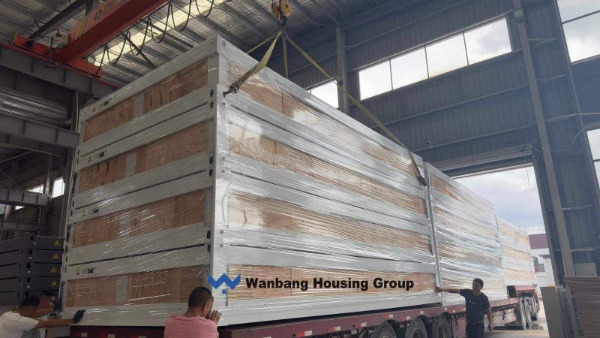
Die ehrliche Antwort vorweg: Kein seriöser Hersteller kann Ihnen anhand eines Suchergebnisses einen realen Preis nennen, denn der Stückpreis ist nur einer von sechs Kostenfaktoren bei einem Containerhausprojekt. Die Gesamtkosten für den Kauf von Containerhäusern aus China setzen sich zusammen aus dem Fabrikpreis (FOB) zuzüglich Seefracht, Zollabfertigung und Gebühren am Bestimmungsort, Inlandtransport, Fundamentarbeiten und Montage vor Ort. Jeder, der Ihnen ohne Kenntnis Ihrer Spezifikationen, der gewünschten Menge und des Zielhafens einen Pauschalbetrag nennt, rät lediglich. Dieser Leitfaden erläutert die einzelnen Kostenpunkte, erklärt, warum Angebote verschiedener Anbieter für ein optisch ähnliches Containerhaus um das Zwei- bis Dreifache variieren können, und zeigt Ihnen, wie Sie Angebote fair vergleichen.
Anhand dieser Tabelle lässt sich abbilden, wer für welchen Kostenblock verantwortlich ist und wann dies bestätigt werden sollte:
| Kostenblock | Was es beinhaltet | Wer bestätigt es? |
|---|---|---|
| 1. Fabrikpreis (FOB) | Das Haus selbst: Stahlrahmen, Wand- und Dachpaneele, Boden, Türen, Fenster, Elektrik | Der Hersteller, basierend auf Ihrer schriftlichen Spezifikation |
| 2. Seefracht | Containerbuchung vom chinesischen Hafen zu Ihrem Zielhafen | Spediteur; die Preise ändern sich wöchentlich. |
| 3. Zoll, Abgaben, Abfertigung | Einfuhrzölle, Steuern, Dokumentation am Bestimmungsort | Ihr zugelassener Zollagent – die Gebühren variieren je nach Land und ändern sich häufig. |
| 4. Binnentransport | Vom Hafen zum Bestimmungsort, einschließlich jeglicher Übergrößenabfertigung | Lokaler Transportunternehmer |
| 5. Fundament | Je nach Bodenbeschaffenheit und Standort können Betonpfeiler, Fundamentplatten oder Bodenbalken zum Einsatz kommen. | Ihr örtlicher Tiefbauunternehmer, gemäß der Fundamentzeichnung des Herstellers |
| 6. Installation | Lokale Arbeitskräfte und Werkzeuge für die Montage vor Ort | Ihr Team, angeleitet durch die Installationsanleitung oder das Video des Herstellers |
Warum das wichtig ist: Bei Campprojekten mit mehreren Einheiten tragen die Blöcke 2–6 häufig erheblich zu den Gesamtprojektkosten bei und skalieren anders als der Stückpreis. Eine günstigere Einheit, die Containerplatz verschwendet, kann pro installierter Einheit teurer sein als eine besser ausgenutzte.
Wenn ein Lieferant für ein Gerät mit gleicher Stellfläche doppelt so viel verlangt wie ein anderer, liegt die Differenz fast immer innerhalb der Spezifikationen – und nicht in der Gewinnspanne eines der beiden. Bevor Sie zwei Angebote vergleichen, sollten Sie folgende Punkte schriftlich festhalten:
| Spezifikationsartikel | Was bewegt den Preis? | Was Sie fragen sollten |
|---|---|---|
| Stahlrahmen | Stahldicke und Verzinkungsqualität beeinflussen sowohl die Kosten als auch die Lebensdauer der Konstruktion. | Stahldicke (mm) der Stützen und des Rahmens in Schriftform |
| Wand- und Dachpaneele | Kernmaterial, Dicke und Feuerwiderstandsklasse unterscheiden sich je nach Anbieter erheblich. | Plattendicke, Kernmaterial und Brandklasse mit Prüfdokumentation |
| Boden | Plattenart, Dicke und Oberflächenschicht beeinflussen Belastbarkeit und Haltbarkeit | Bodenaufbau beim Schreiben (Plattentyp + Oberfläche) |
| Türen und Fenster | Rahmenmaterial, Verglasung und Schlossqualität variieren stark. | Markenniveau oder Materialgüte angeben, nicht nur „enthalten“. |
| Elektrisches System | Anzahl der Sicherungsautomaten, Steckdosenpositionen, Kabelstandard, Zertifizierungen für Ihren Markt | Elektrischer Schaltplan, abgestimmt auf Ihre örtliche Spannung und Steckernorm |
| Grundriss und Fenster-Wand-Verhältnis | Mehr Öffnungen bedeuten höhere Materialkosten und mehr Arbeitsaufwand in der Fabrik. | Anzahl und Position der Türen/Fenster sind in einer Zeichnung bestätigt. |
Ein Lieferant, der alle sechs Fragen schriftlich beantwortet, ist ein Hersteller, der sein Produkt kennt. Ein Lieferant, der antwortet: „Keine Sorge, gute Qualität“, hat Ihre Frage beantwortet.
Die Seefrachtkosten werden pro Container berechnet, nicht pro Haus. Die Anzahl der Häuser, die in einen Container passen, teilt also direkt die Frachtkosten pro Einheit – und genau hier zahlt sich die Flachverpackungs- und Falttechnik aus:
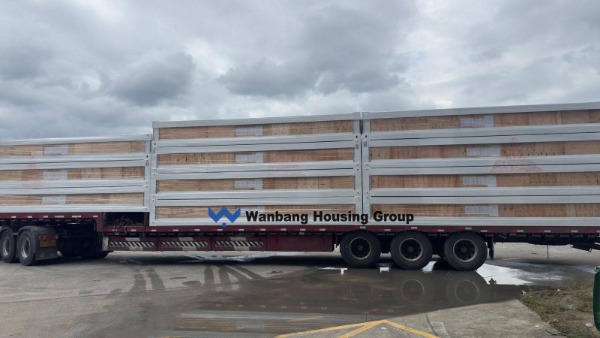
Wenn Sie zwei Angebote vergleichen, stellen Sie beiden Anbietern dieselbe Frage: „Wie viele Einheiten dieses Modells passen in einen 40-Fuß-High-Cube-Container, und wie sieht Ihr Verpackungsplan aus?“ Die Antwort wandelt ein Frachtangebot in Frachtkosten pro Haus um – das ist die Zahl, die sich tatsächlich auf Ihr Budget auswirkt.
Dies sind die grundlegenden Bedingungen, nach denen Wanbang bei Exportaufträgen arbeitet – nutzen Sie sie als Referenzpunkt beim Vergleich von Lieferanten:
| Begriff | Ausgangswert |
|---|---|
| Mindestbestellwert | Ab 1 Set – Musterbestellungen werden angenommen |
| Zahlungsbedingungen | 50 % Anzahlung, 50 % Restzahlung vor Versand |
| Produktionsvorlaufzeit | In der Regel 10–15 Tage nach Anzahlung für Standard-Flachverpackungen und erweiterbare Einheiten. |
| Verschiffungshafen | Nansha, Guangzhou (Südchina) |
| Dokumentation | Handelsrechnung, Packliste, Konnossement, Ursprungszeugnis; Produktprüfdokumente auf Anfrage |
Zwei ehrliche Vorbehalte. Erstens variieren Zollklassifizierung, Zollsätze und lokale Baugenehmigungen je nach Zielland und ändern sich häufig. Bitte klären Sie diese mit Ihrem zugelassenen Zollagenten oder einer lokalen Zertifizierungsstelle. Ein Hersteller kann zwar Produktdokumentationen und Testdaten bereitstellen, sollte aber nicht Ihre Quelle für Zollsatzinformationen sein. Zweitens hängt die Lieferzeit vom Auftragsvolumen und dem Produktionsplan ab. Ihr Projektzeitplan sollte daher bei Auftragserteilung anhand des aktuellen Produktionsplans des Werks bestätigt und nicht von einer Website übernommen werden.
Senden Sie dem Hersteller diese Informationen und Sie erhalten eine Zahl, die der Realität standhält:
Ein Hersteller, der auf diese Liste mit einem Datenblatt, einer Layoutzeichnung und einem Verpackungsplan – und nicht nur mit einem Preis – antwortet, sollte in die engere Auswahl genommen werden. Wie Sie diesen Hersteller weiter prüfen können, erfahren Sie in unserer Checkliste zur Fabrikauswahl. Diese enthält acht Punkte, die Sie vor einer Anzahlung beachten sollten.
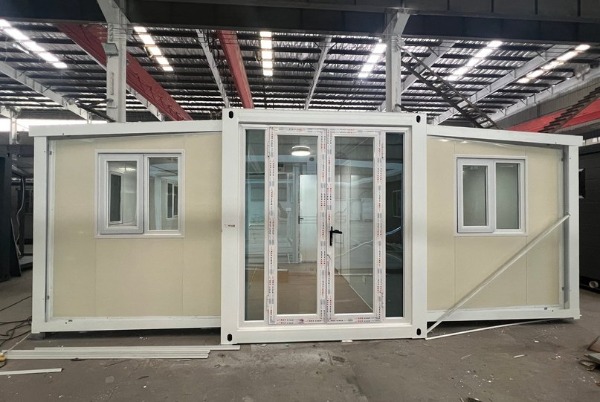
Da der Stückpreis von Spezifikation, Menge und Lieferort abhängt, wäre eine veröffentlichte Zahl entweder irreführend oder so überhöht, dass sie wertlos ist. Seriöse Hersteller erstellen Angebote auf Basis einer schriftlichen Spezifikation, üblicherweise innerhalb weniger Werktage.
Bei zerlegten, flach verpackten Modellen ist eine Kapazität von 14 Sets pro 40-Fuß-High-Cube-Container (40HQ) ein realistischer Richtwert. Faltbare Modelle erreichen typischerweise 10 Sets pro 40HQ mit 50 mm starken Wandpaneelen bzw. 8 Sets mit 75 mm starken Paneelen. Ausziehbare Einheiten mit fester Breite benötigen jeweils einen Versandplatz, lassen sich aber vor Ort vollständig aufbauen.
Nein. Entscheidend sind die Gesamtkosten pro Einheit inklusive Montage: Stückpreis + Frachtkosten pro Einheit (abhängig von der Verpackungseffizienz) + Zölle + Inlandtransport + Fundament + Montage. Eine besser verpackte Einheit mit einem etwas höheren FOB-Preis ist oft kostengünstiger.
Wanbang nimmt Bestellungen ab einem Set an, sodass Sie die Qualität anhand eines Musters prüfen können, bevor Sie eine größere Menge für ein Camp bestellen. Der Stückpreis sinkt mit steigender Bestellmenge.
Die Produktion von Standard-Flachverpackungen und erweiterbaren Einheiten dauert in der Regel 10–15 Tage nach Anzahlung. Die Dauer von Seefracht und Zollabfertigung hängt vom Bestimmungsort ab und wird von Ihrem Spediteur bestätigt. Planen Sie den Aufstellungstermin rückwärts vom Installationstermin und leisten Sie die Anzahlung mindestens einen Produktionszyklus im Voraus.
Sie planen ein Camp und benötigen konkrete Zahlen statt Spannen? Senden Sie uns Ihre Truppenzusammensetzung, den Zielhafen und den Zeitplan – Kontaktieren Sie Wanbang für ein Datenblatt, eine Layoutzeichnung und einen Verpackungsplan.
Jade • Tel.: +86 13312807790 • WhatsApp: +966 50 2737 116 • E-Mail: Jade.li@gdwbhouse.com
Die Frachtkosten sind in der Regel der größte variable Kostenfaktor – hier erfahren Sie, wie die Ladedichte diese beeinflusst: https://www.gdwbprefabhouse.com/how-many-container-houses-fit-in-a-40ft-container-loading-guide-for-flat-pack-folding-expandable-units-1


 IPv6 NETZWERK UNTERSTÜTZT
Hi! Click one of our members below to chat on
 Deutsch
 English
 Français
 Русский
 Italiano
 Español
 Português
 Türk
Türk Ελληνικά
 Indonesia
 عربي
عربي